Instructions #
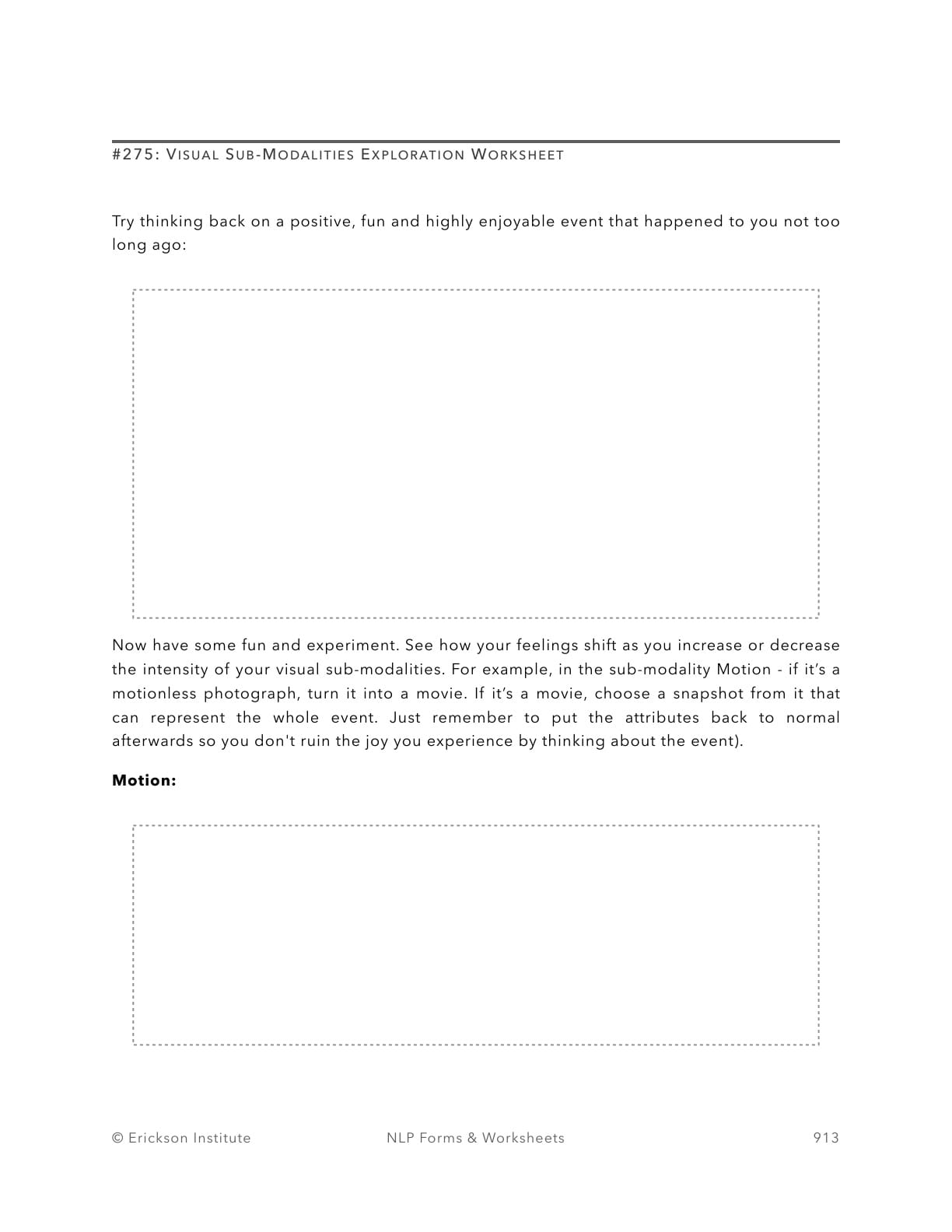
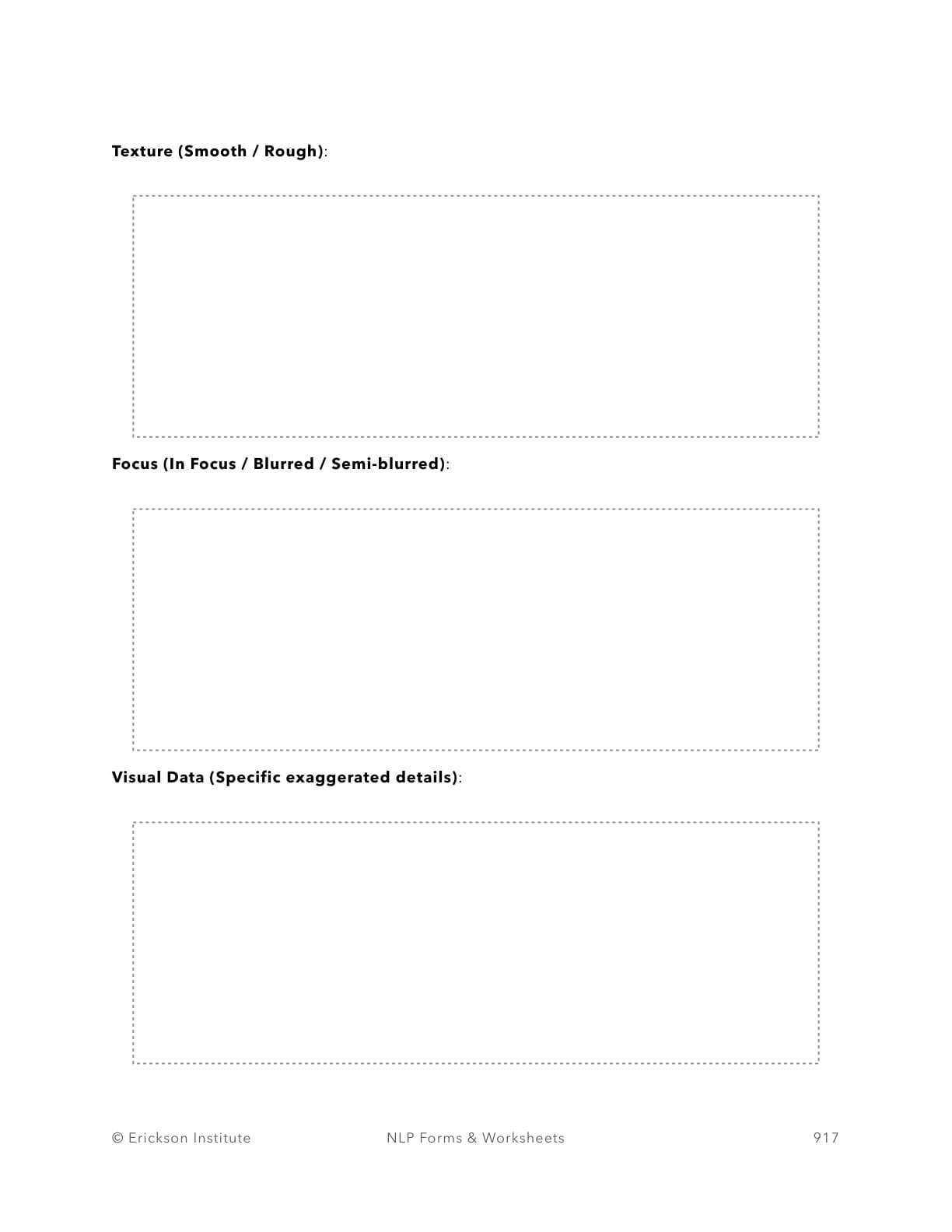
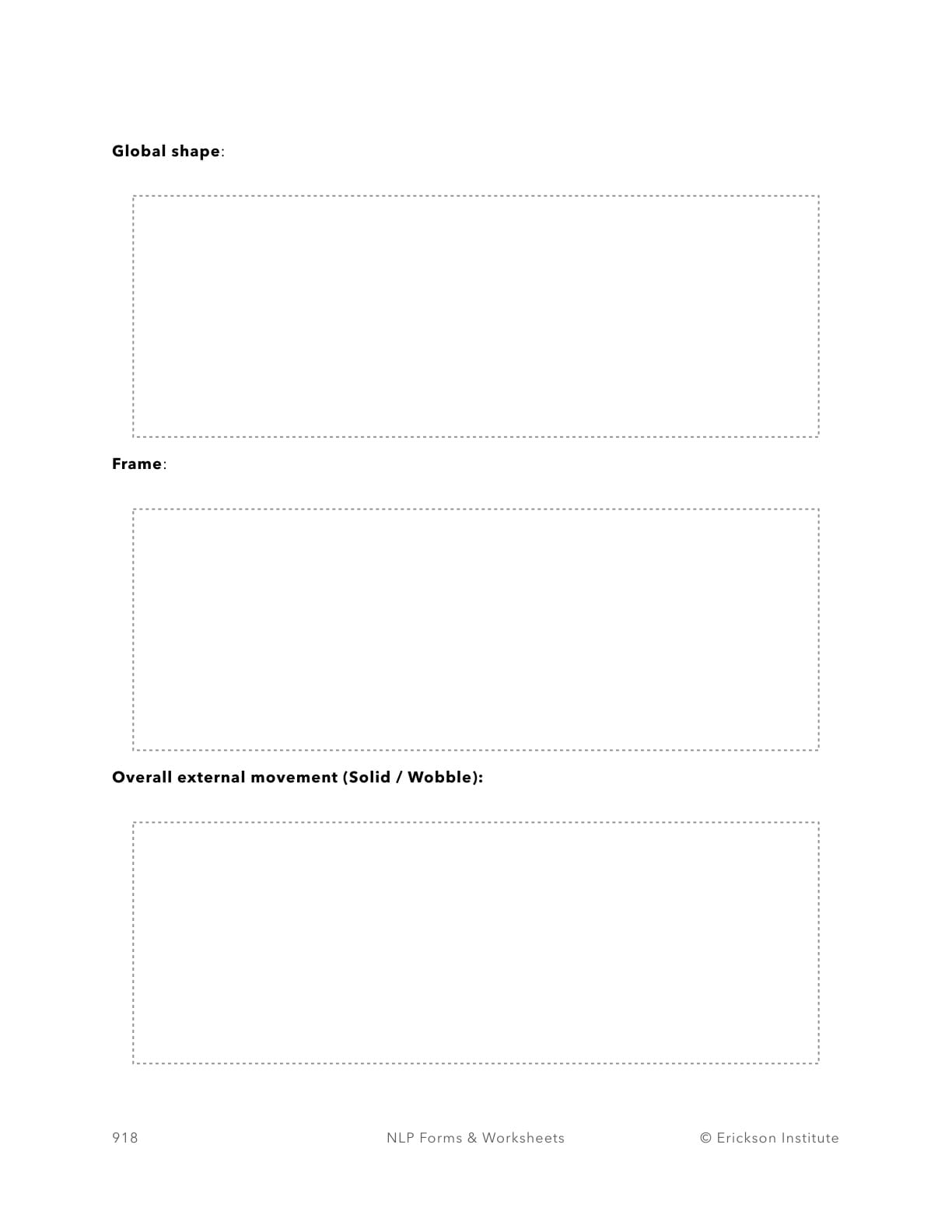
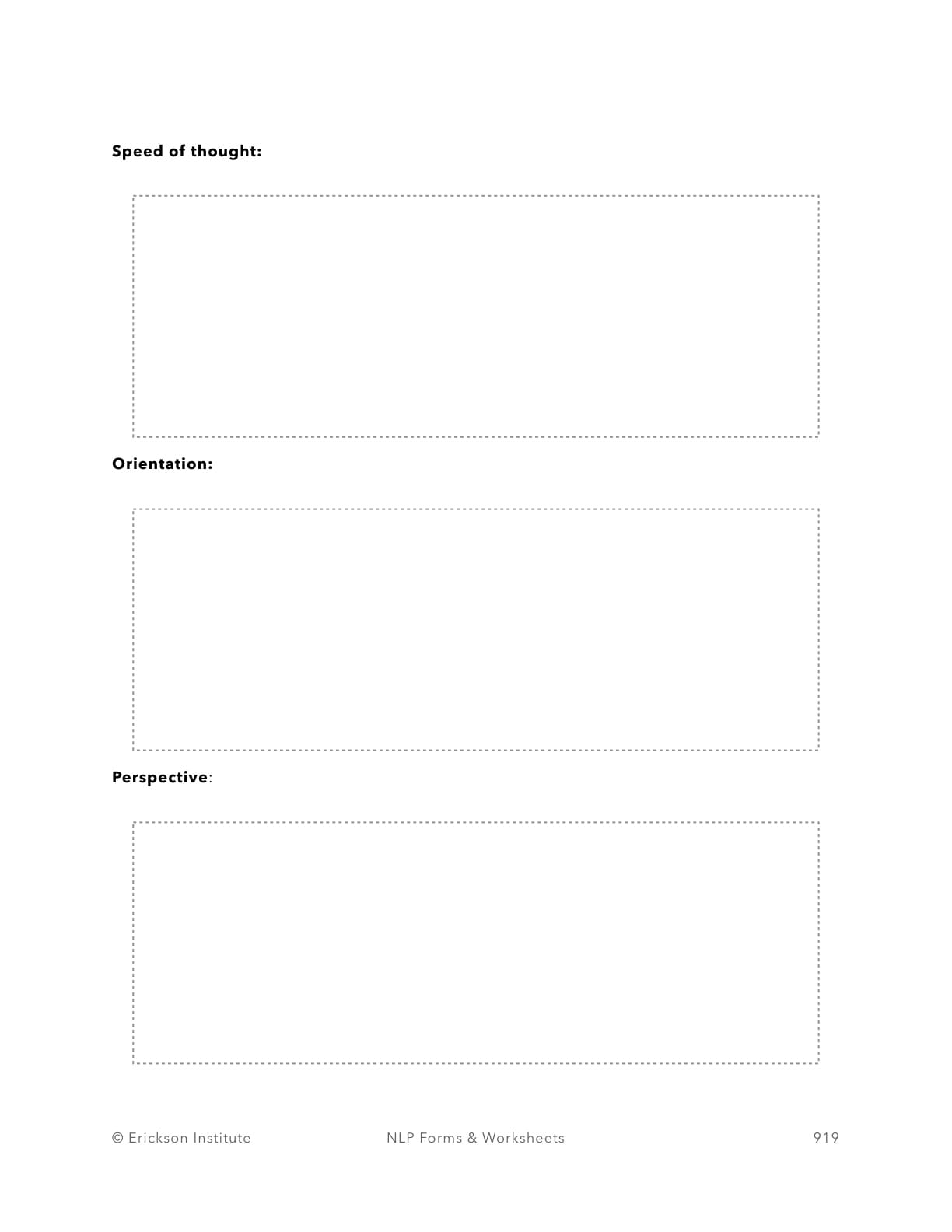
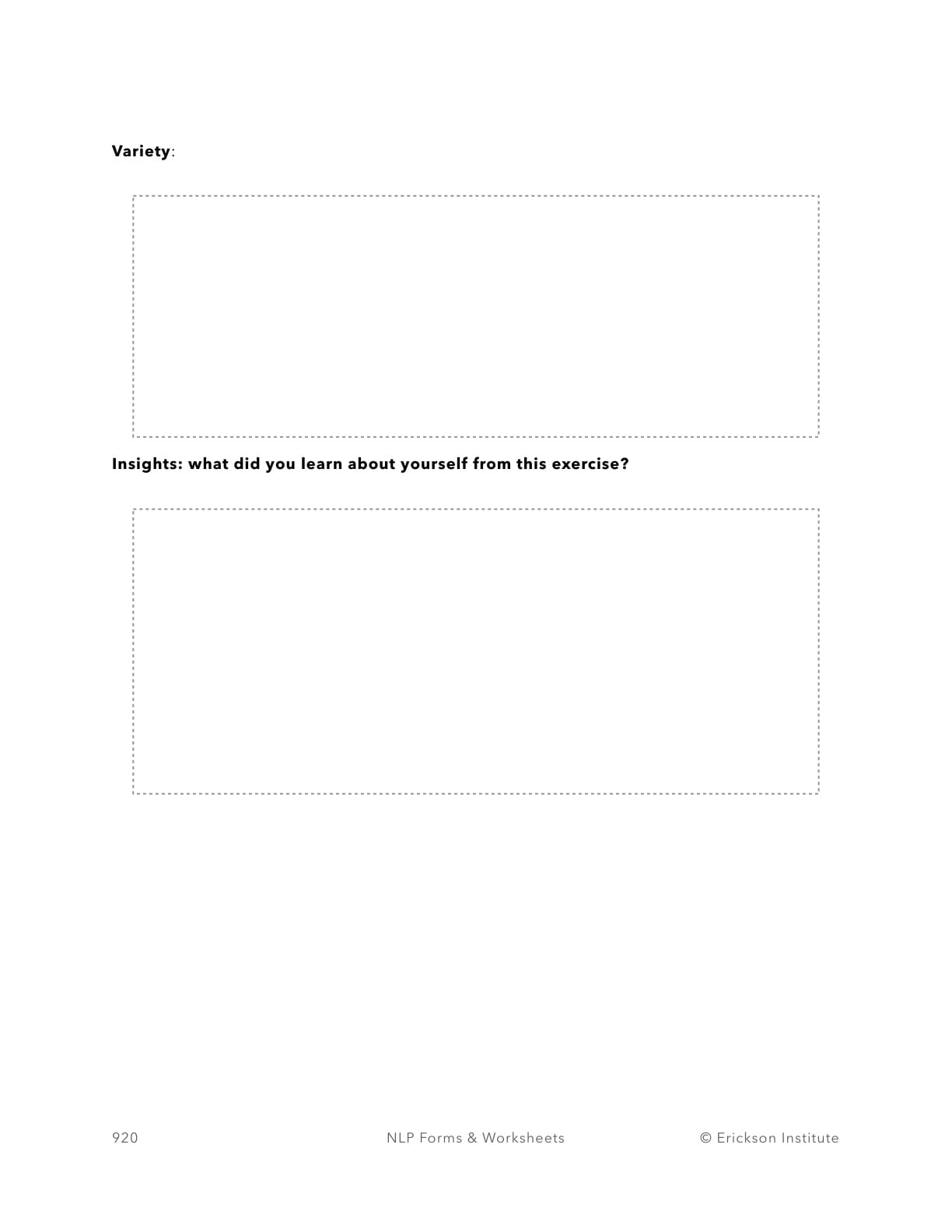
In NLP, this is referred to as “eliciting the sub-modalities” when you evaluate and recognize the form and intensity of a cognitive event’s sub-modalities. You may be tempted to skip ahead and start “scratching” the visual mental movies in an attempt to get rid of bad memories.
In fact, we strongly discourage it.Negative memories can be difficult to deal with, and many people would prefer to forget them.
However, there are several reasons why this may not be a good idea, and why it may be more beneficial to simply dampen the emotional response to negative memories rather than attempting to completely eliminate them.
To begin with, negative memories serve a vital function in our lives. They help us learn from our mistakes and avoid making them in the future. For example, if we recall being burned by a hot stove, we will be more cautious in the future.
We may be more likely to make the same mistake and be burned again if we remove this negative memory. Additionally, negative memories can help us develop empathy and understanding for others.
We can gain insight into how others are feeling and offer support and comfort by recalling a negative experience. Another reason we don’t want to forget bad memories is that they form part of our personal history and identity. They influence who we are and how we see the world.
While it may seem appealing to try to erase negative memories and only focus on the positive, this can lead to a distorted view of ourselves and our experiences.
Finally, it is critical to recognize that erasing negative memories is not always possible and can be emotionally draining. Negative memories are normal, and it is important to learn to cope with them rather than suppress or erase them.
So, what is the purpose of using visual sub-modalities to shift memories? Changes in sub-modalities can help you cope better with negative memories.
This type of sub-modality work is not intended to erase or suppress the memory, but rather to assist you in gaining distance and perspective from it so that the automatic recall of impressive mental movies and the accompanying thoughts no longer bother you as much.
As you gain experience, you may discover that you are better able to control the feelings triggered by the memory, allowing you to focus on what is happening right now, or what we refer to as “current reality.” Instead of being a helpless bystander, you can actively shape your future by retaining the valuable information (content) you’ve recognized from previous memories while significantly reducing the negative effects of such memories.
Worksheet #
Source #
Access the full suite of 500 therapy and coaching templates. This worksheet features in my book, available on Amazon:
500 Practical NLP Forms, Templates & Worksheets: For Therapy, Coaching & Training