Instructions #
PTSD is a mental health disorder that may occur in people who have encountered or observed a traumatic incident. The disorder is characterized by a range of symptoms that persist for a long time after the traumatic event has occurred.
As a therapist, it is important to exercise caution and empathy when working with clients who may be experiencing PTSD. Post-traumatic stress disorder (PTSD) can have a significant impact on different areas of a person’s life.
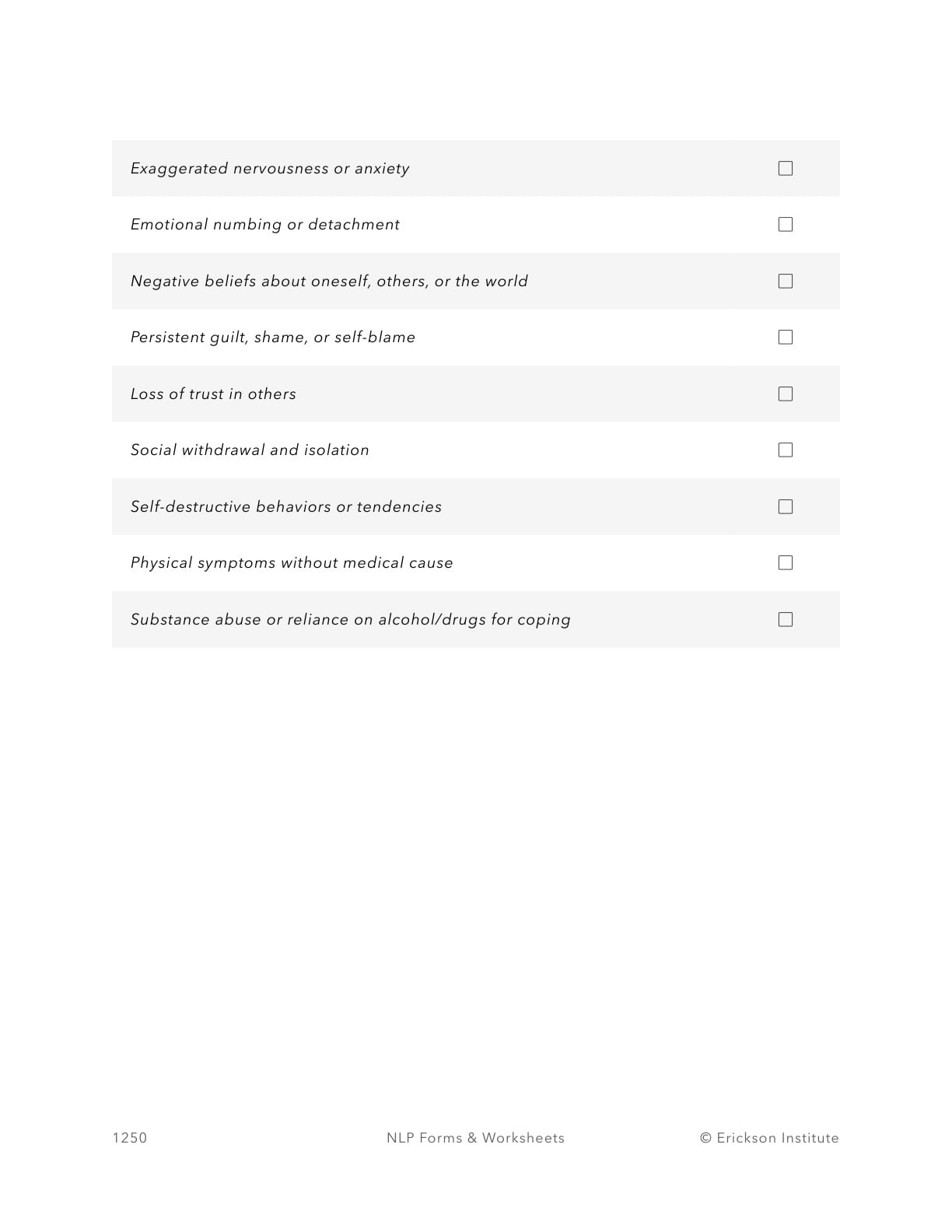
PTSD symptoms can be classified into four groups: intrusive memories, avoidance, negative alterations in thinking and mood, and hyperarousal. Memories that intrude include distressing flashbacks, nightmares, or overwhelming thoughts that are related to the trauma.
Clients may exhibit avoidance behaviors as a means of avoiding stimuli or cues that are linked to the traumatic event. This may include avoiding specific locations or activities.
Adverse alterations in cognition and affect can result in sensations of disconnection, a lack of emotional response, culpability, or an altered perception of responsibility.
Symptoms of hyperarousal may include being easily startled, having trouble sleeping, or feeling irritable and angry. People who have been diagnosed with PTSD may experience difficulties in their daily activities, relationships, and general state of health.
Clients may potentially experience considerable emotional discomfort and encounter difficulties in developing trust in others or experiencing a sense of security. As a therapist, it is important for you to exercise caution and empathy for various reasons.
Clients with PTSD may experience difficulty discussing their traumatic experiences due to the fear of re-experiencing the trauma or being overwhelmed by emotions. Thus, it is crucial to establish a secure and impartial therapeutic setting.
Exhibiting empathy, engaging in active listening, and acknowledging their experiences can aid in establishing trust and cultivating a therapeutic relationship. Additionally, it is important to be mindful of potential triggers.
Clients with PTSD may experience intense emotional or physical reactions in response to certain topics, situations, or sensory stimuli.
By paying attention to their triggers and implementing trauma-informed care, you can reduce the possibility of retraumatization and establish a feeling of safety during sessions.
In addition, it is crucial to comprehend the distinct requirements and difficulties encountered by people with PTSD. Clients may experience difficulties with emotional regulation, self-esteem, or self-blame.
Through the adoption of a compassionate approach and the provision of psychoeducation on PTSD, clients can be empowered to comprehend their symptoms and develop coping strategies.
Furthermore, working with trauma can be emotionally challenging for both the therapist and the client.
Engaging in self-care practices, maintaining appropriate professional boundaries, and seeking supervision or support when needed are crucial to preventing compassion fatigue and burnout.
To sum up, post-traumatic stress disorder (PTSD) is a multifaceted condition that necessitates therapists to be extra careful and compassionate.
By establishing a secure therapeutic environment, being mindful of potential triggers, and recognizing the distinct requirements of clients with PTSD, you can aid in their recovery process and promote favorable therapeutic results.
An approach that is both compassionate and informed can have a significant impact on their recovery and overall well-being.
Worksheet #

Source #
Access the full suite of 500 therapy and coaching templates. This worksheet features in my book, available on Amazon:
500 Practical NLP Forms, Templates & Worksheets: For Therapy, Coaching & Training