Instructions #
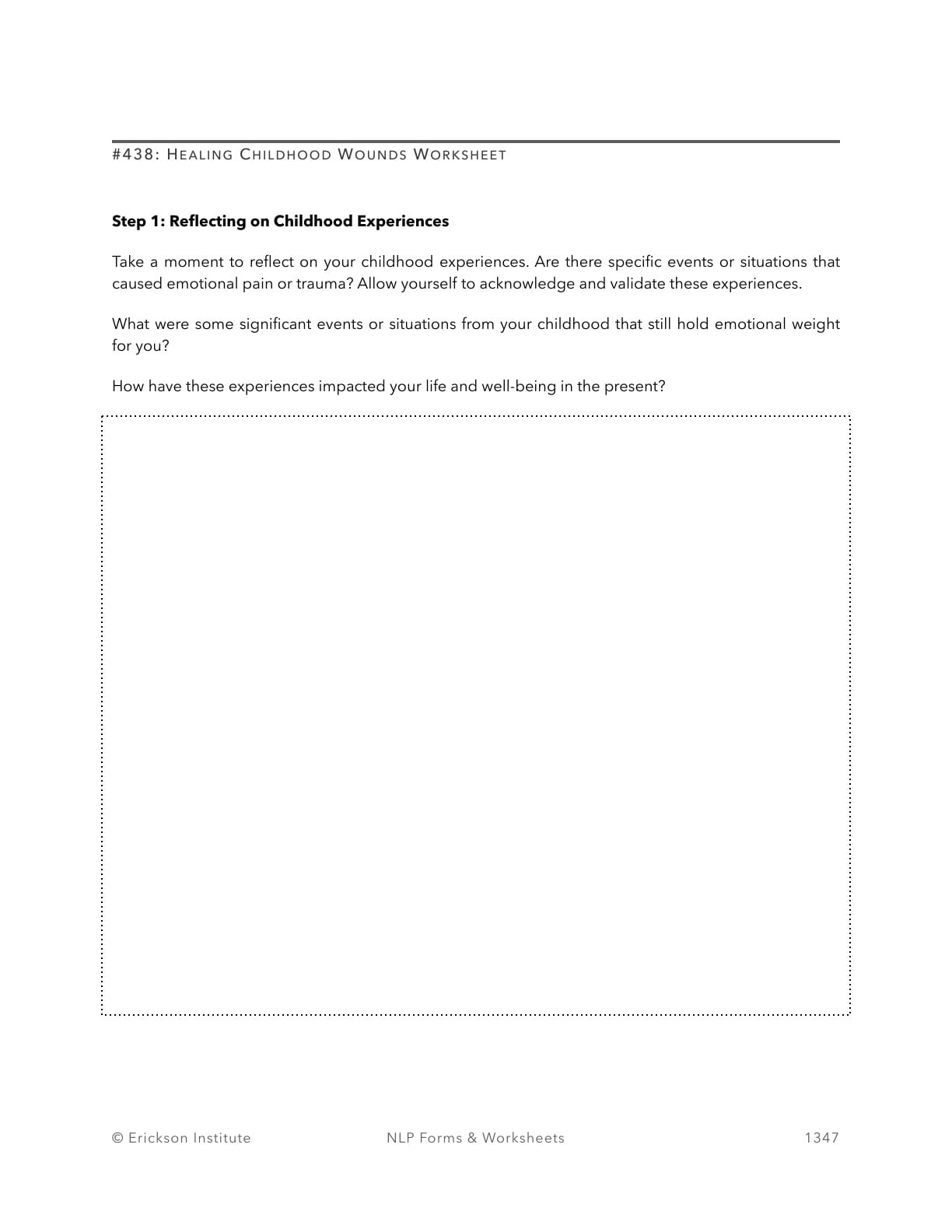
The events that occur in our early lives, particularly those that are traumatic and occur during childhood, have a significant bearing on our health in both the physical and mental realms.
It is extremely important to investigate the effects of these experiences because they have the potential to mold our beliefs, behaviors, and the overall health outcomes we experience throughout our entire lives.
Adverse childhood experiences, such as physical or emotional abuse, emotional neglect, or significant stressors, can have a profound impact on our emotional development and lay the groundwork for chronic stress.
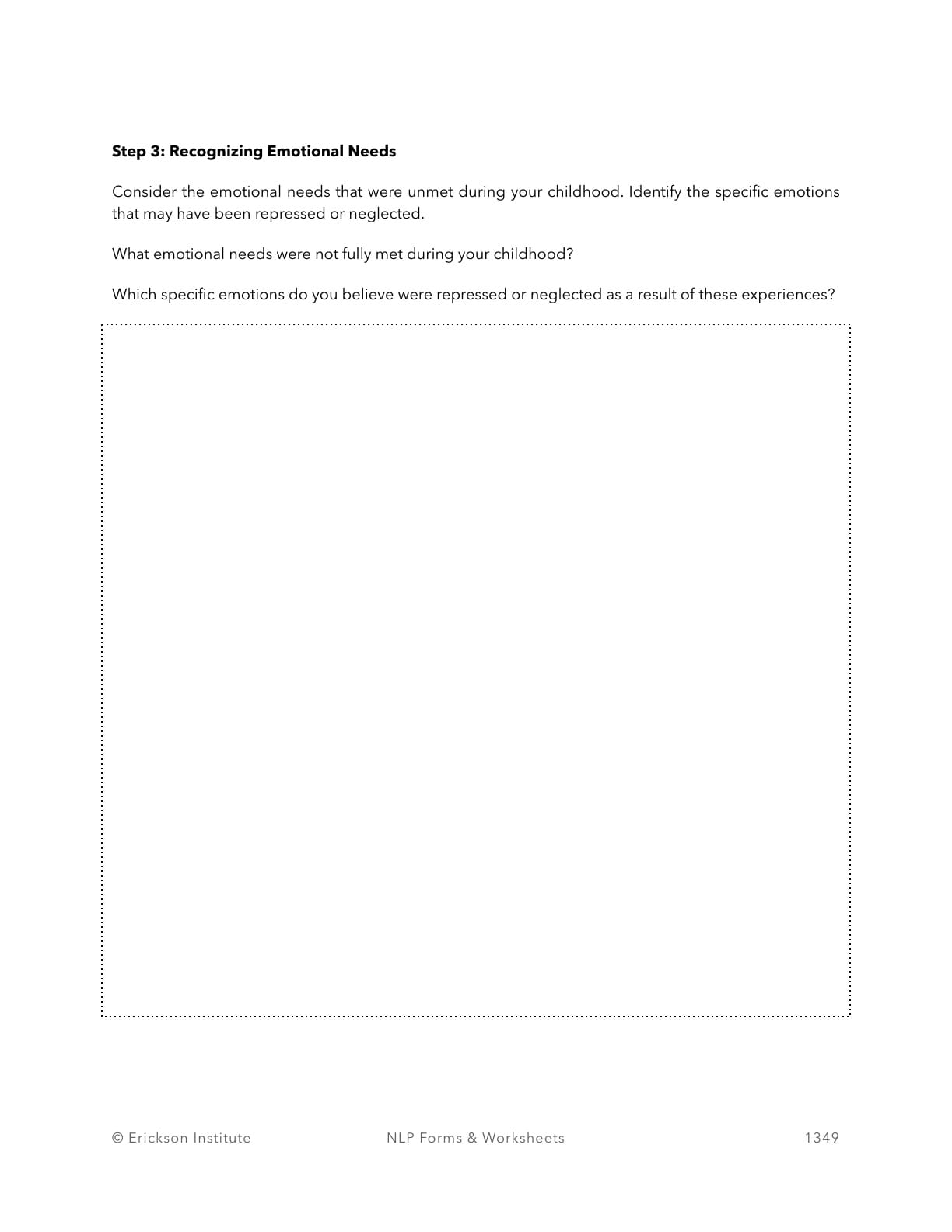
An important part of this process is the role that repressed emotions play. When we are unable to fully express or process our feelings, it is possible that those feelings will become repressed and stored somewhere within our bodies.
This buildup of suppressed feelings, if left unchecked over time, can eventually result in chronic stress, which places a significant burden on our physical wellbeing.
Chronic stress causes disruptions in the equilibrium of our body’s systems, which can manifest as imbalances in hormone levels, immune function, and inflammatory responses.
These imbalances may play a role in the development of a wide variety of physical health conditions, including cardiovascular diseases, gastrointestinal disorders, autoimmune conditions, and other idiopathic illnesses.
Idiopathic diseases are those medical conditions for which the precise cause cannot be determined.
However, there is evidence from research to suggest that unresolved emotional issues, including emotions that have been repressed, can be an underlying factor that contributes to the development and continuation of idiopathic illnesses.
It is possible for the body’s attempt to adapt to and cope with these repressed emotions to manifest as physical symptoms or chronic conditions for which there does not appear to be a clear medical explanation.
We have the opportunity to heal not only our emotional burdens but also potentially alleviate or resolve chronic idiopathic illnesses if we address repressed emotions and investigate the impact of adverse experiences in early life.
This can be done by addressing the impact of early life adverse experiences.
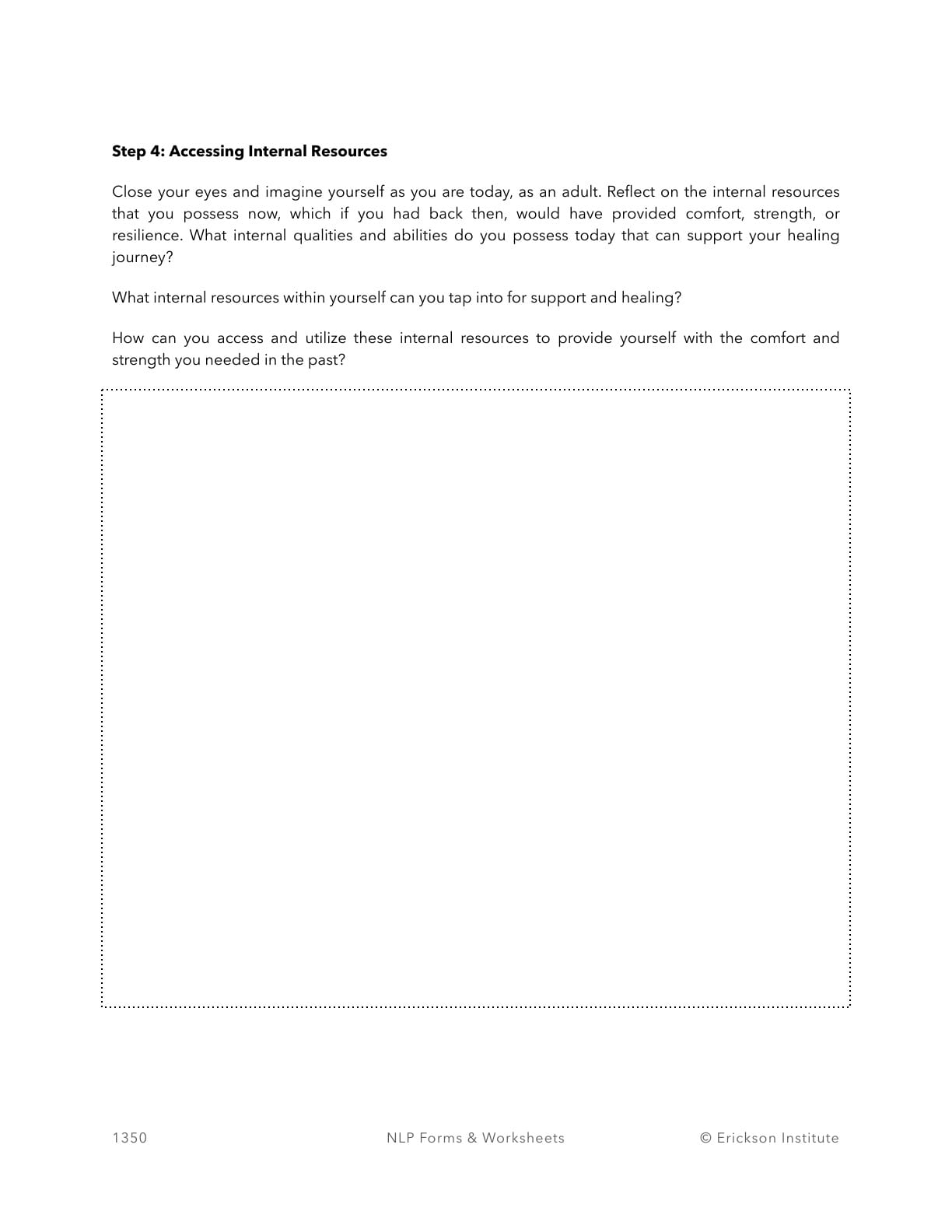
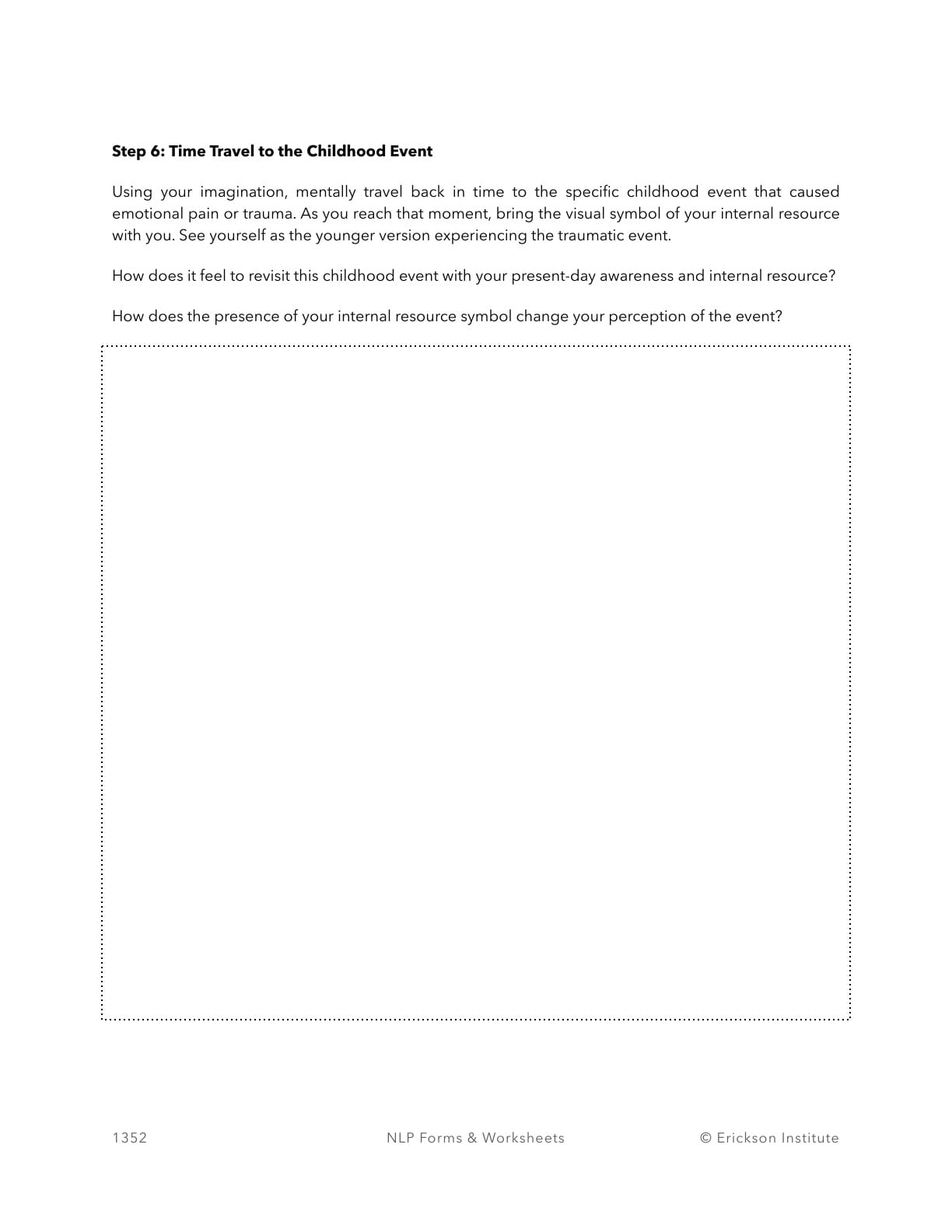
We are able to create a secure environment in which to bring these experiences to light, work through our feelings, and develop more effective coping mechanisms by engaging in healing modalities such as psychotherapy, self-reflection, and others.
We can lessen the effects of chronic stress on our bodies, restore balance, and make strides toward improving our overall well-being if we recognize and express repressed feelings and then let them go.
It cannot be overstated how difficult and unique the process of recovering from these wounds can be.
Seeking professional assistance from therapists or counselors who are trained in trauma and emotional healing can provide direction and make the journey toward recovery from trauma safer.
We can empower ourselves to make significant strides toward holistic well-being and reclaim our lives from the burdens of past detrimental experiences if we address the emotional roots of our physical health issues.
Worksheet #


Source #
Access the full suite of 500 therapy and coaching templates. This worksheet features in my book, available on Amazon:
500 Practical NLP Forms, Templates & Worksheets: For Therapy, Coaching & Training