Instructions #
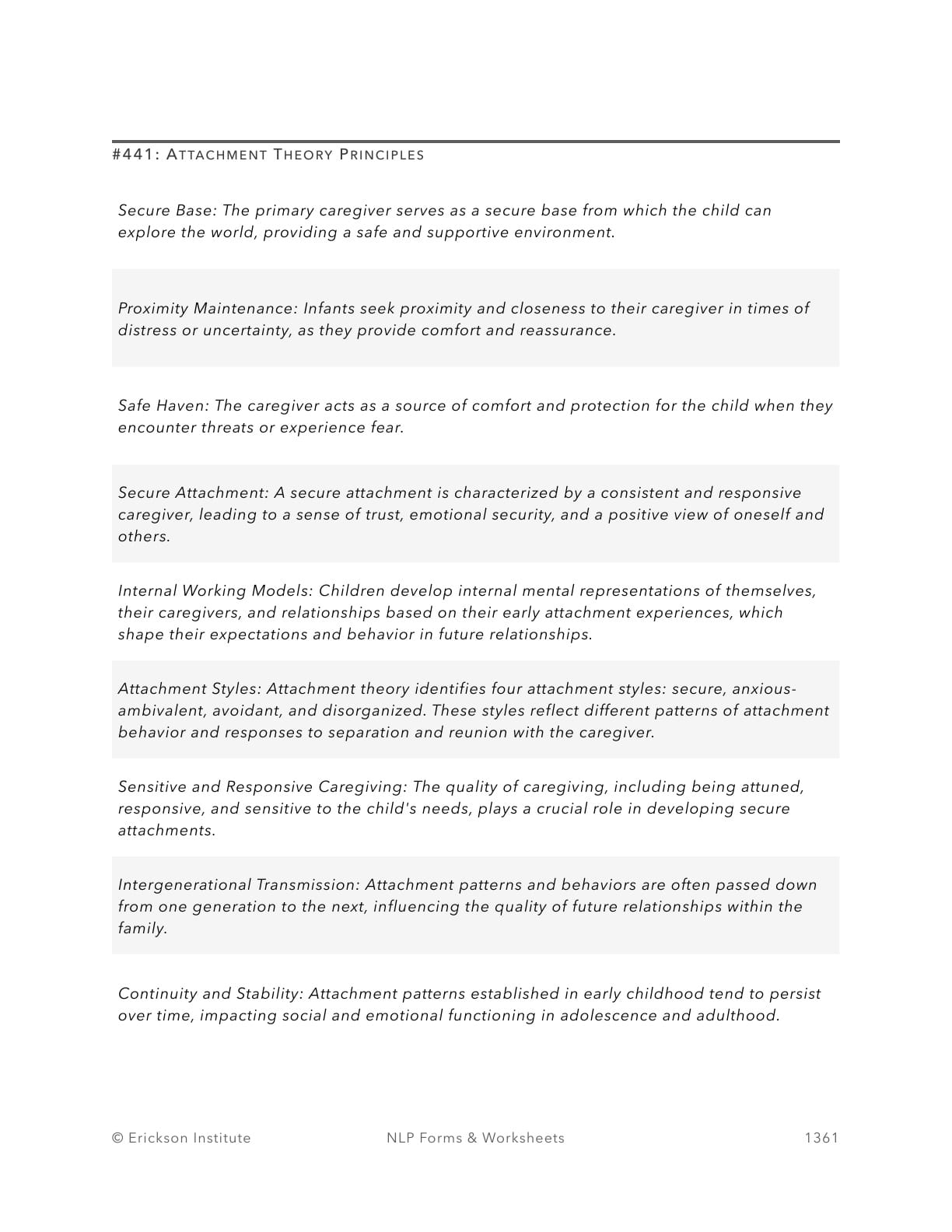
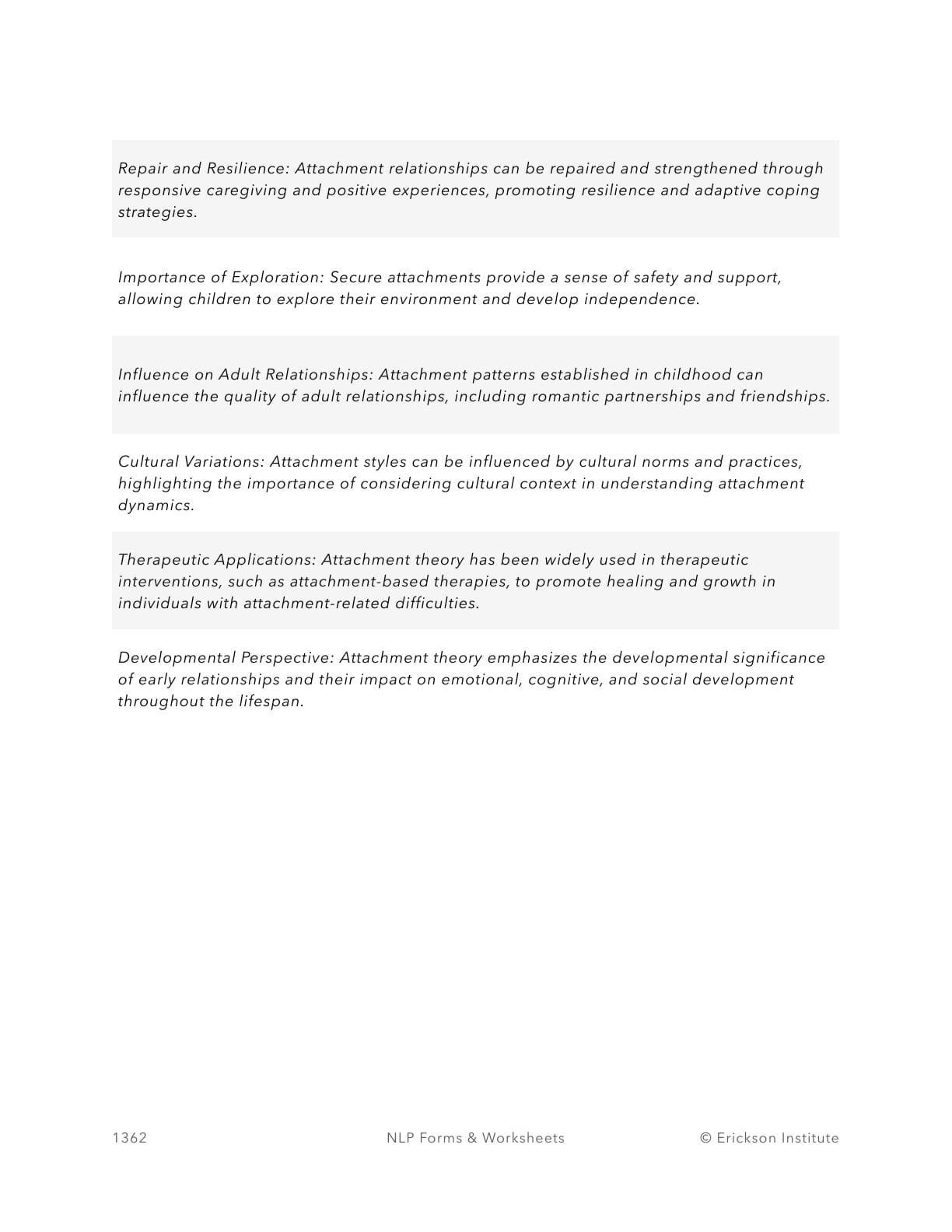
Attachment theory is a psychological framework developed by psychologist John Bowlby that explains how the quality of early relationships between infants and their caregivers shapes their social and emotional development throughout life.
According to attachment theory, infants form a strong emotional bond with their primary caregiver, typically their mother, known as an attachment. This attachment gives the child a sense of security and serves as a foundation for future relationships and interactions.
The theory emphasizes the importance of sensitive and responsive caregiving in the development of secure attachments, which promote healthy emotional development and the ability to form trusting and supportive relationships later in life.
Attachment theory also describes various attachment styles, such as secure, anxious-ambivalent, avoidant, and disorganized attachment styles, which reflect patterns of interaction and behavior in relationships.
Clients’ perceptions and responses to intimacy, emotional closeness, and dependency in adult relationships can be influenced by attachment styles.
Overall, attachment theory emphasizes the importance of early bonding experiences in shaping a person’s attachment patterns and emotional well-being throughout their lifetime.
Worksheet #
Source #
Access the full suite of 500 therapy and coaching templates. This worksheet features in my book, available on Amazon:
500 Practical NLP Forms, Templates & Worksheets: For Therapy, Coaching & Training