Instructions #
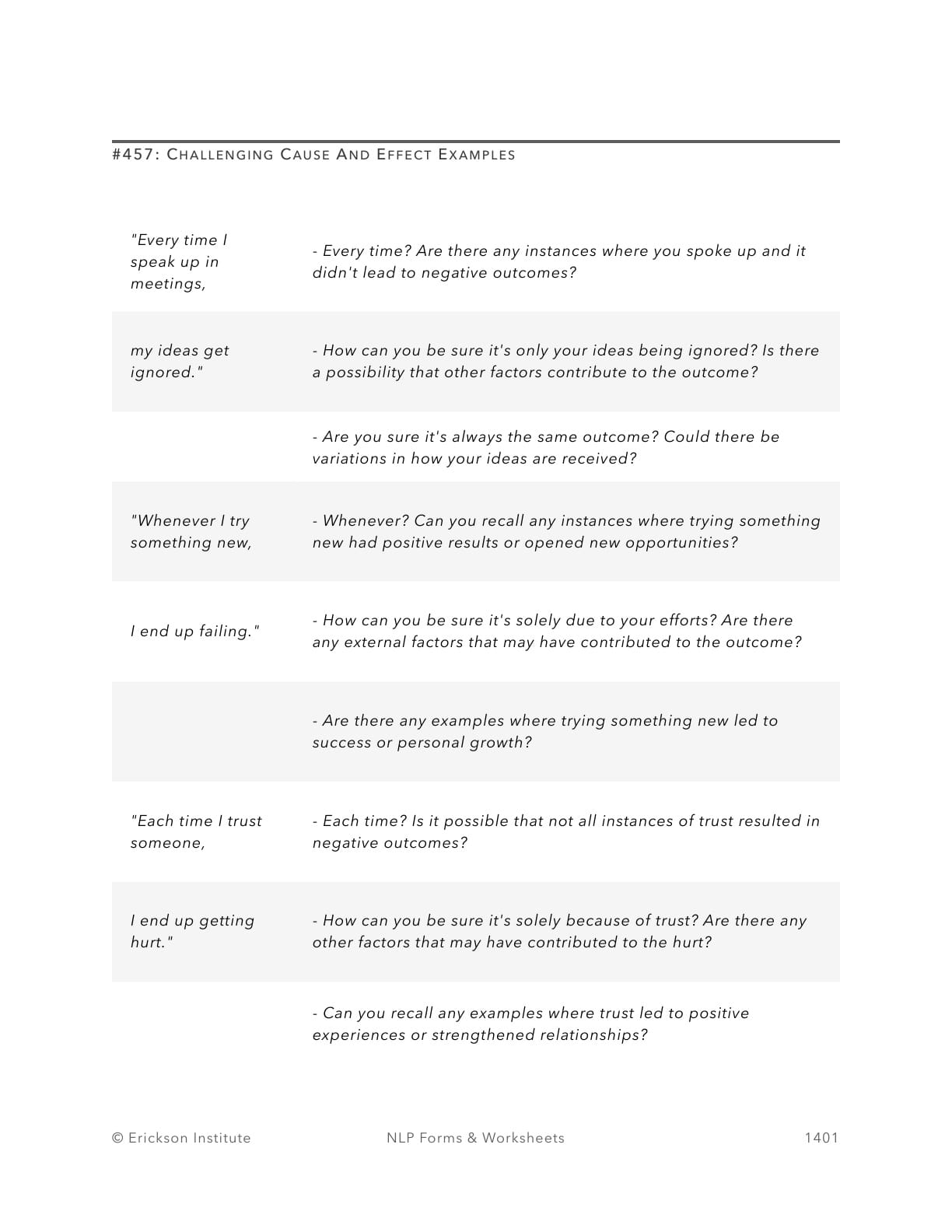
The human mind is wired to seek meaning and make connections between events, which frequently leads to the formation of cause-and-effect relationships. This cognitive process assists us in making sense of our experiences and navigating the complex world around us.
This proclivity, however, can lead to reality distortion when the associations formed are not founded on solid evidence or logical reasoning. The phenomenon of association by simultaneity is one common way the mind distorts reality.
When two events occur at the same time or within close proximity, the mind tends to connect them, assuming a cause-and-effect relationship.
For example, if we are feeling short of breath and receive a call from our boss requesting that we come to their office, our mind may associate the shortness of breath with anxiety caused by our boss’s request.
This association is formed, and subsequent encounters with the boss’s office may elicit the same anxiety response, even if the two events are unrelated.
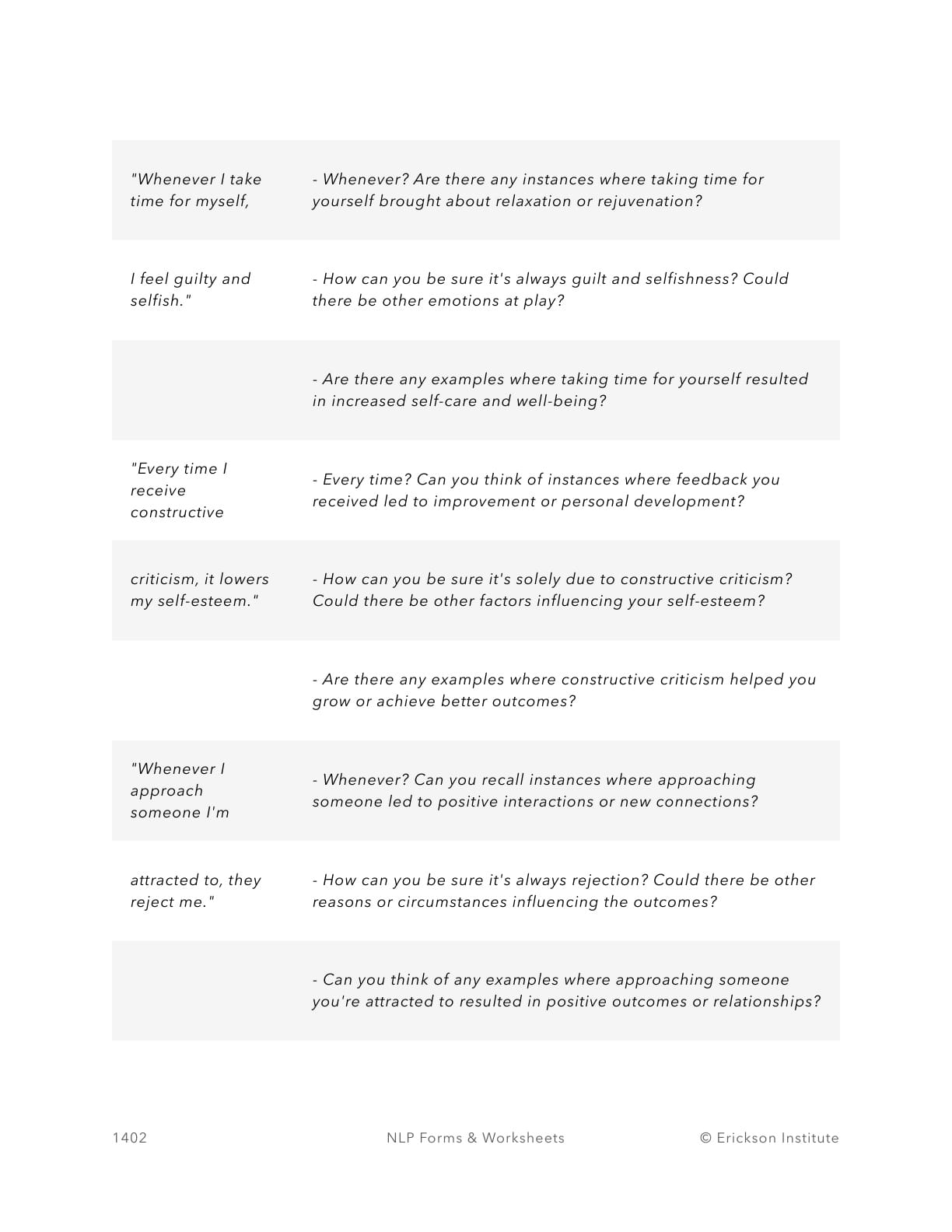
When the consequences of these associations are not useful or beneficial to us, breaking the link between causes and events becomes critical. We can gain a more accurate understanding of the situations we encounter by recognizing and challenging these distorted associations.
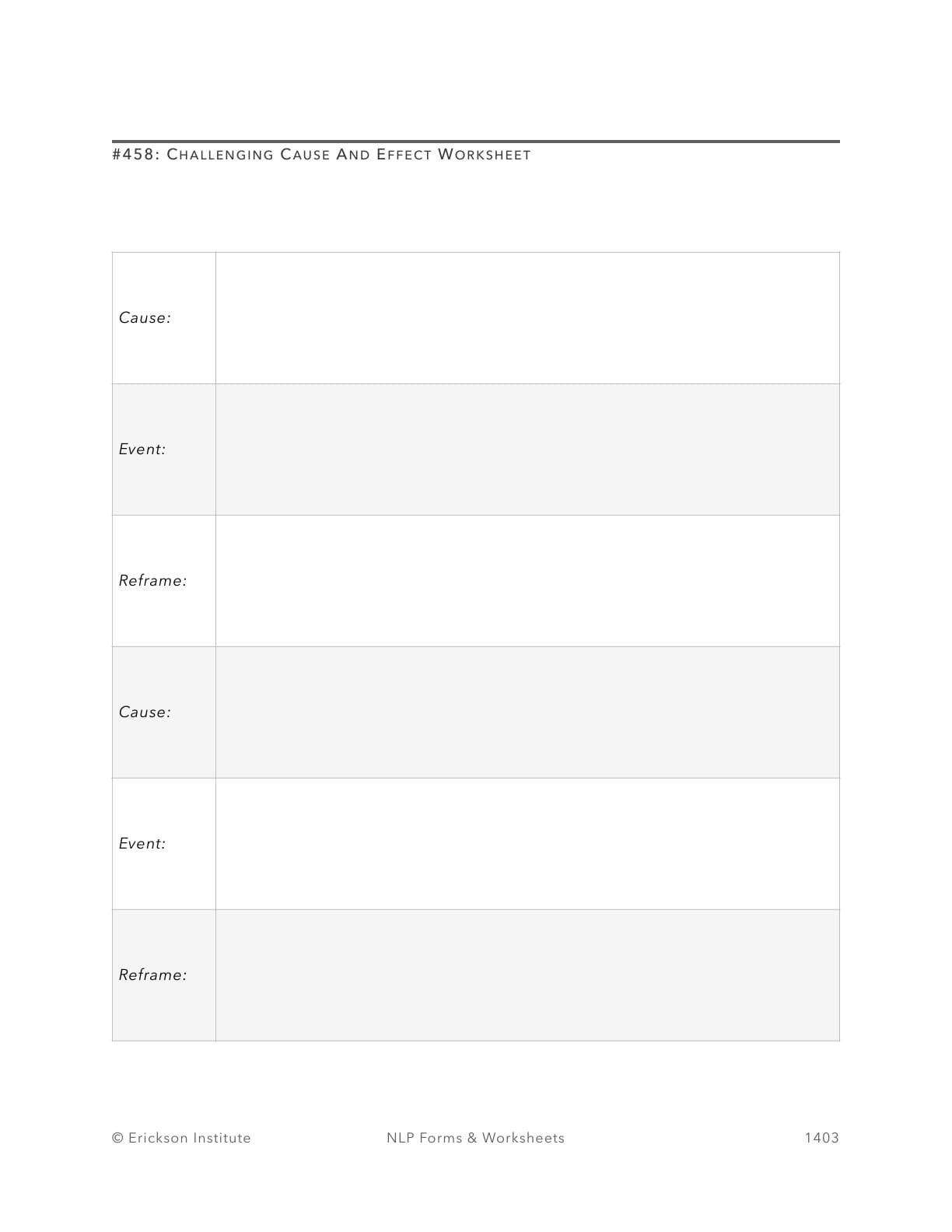
It entails challenging the validity of the cause-and-effect relationship and investigating alternative explanations or possibilities. The significance of breaking such ties lies in liberating ourselves from unnecessary anxiety, limiting beliefs, and harmful behavioral patterns.
It enables us to approach situations with a more open mind, taking into account various factors that may contribute to the outcomes we encounter.
We can break free from distorted perceptions and make more informed decisions by critically examining the evidence and using rational thinking.
Lastly, the ability to distinguish between genuine cause-and-effect relationships and false associations aids in the development of a clearer understanding of reality.
It gives us the ability to control our thoughts, emotions, and behaviors, allowing for personal development, improved well-being, and more effective problem-solving.
Worksheet #
Source #
Access the full suite of 500 therapy and coaching templates. This worksheet features in my book, available on Amazon:
500 Practical NLP Forms, Templates & Worksheets: For Therapy, Coaching & Training