Instructions #
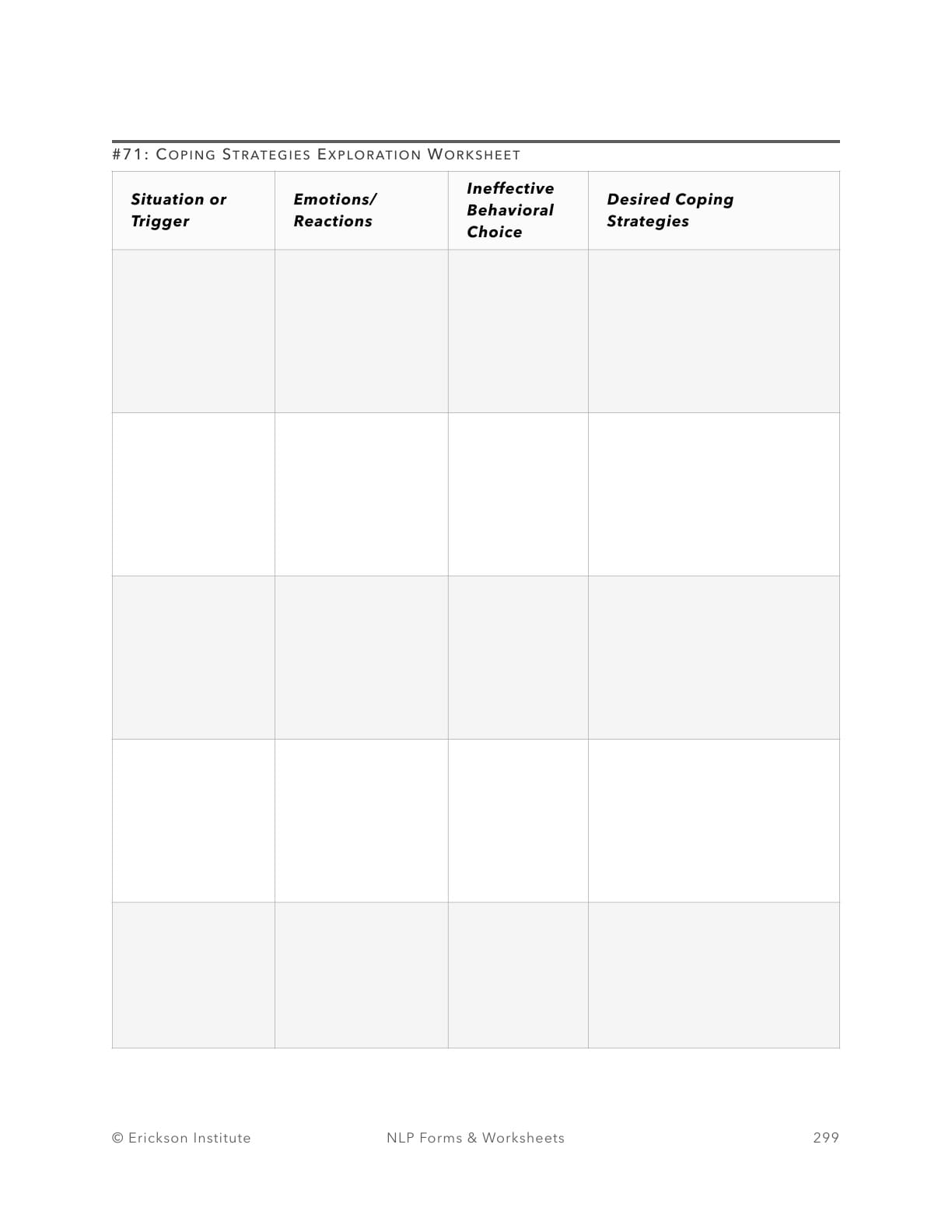
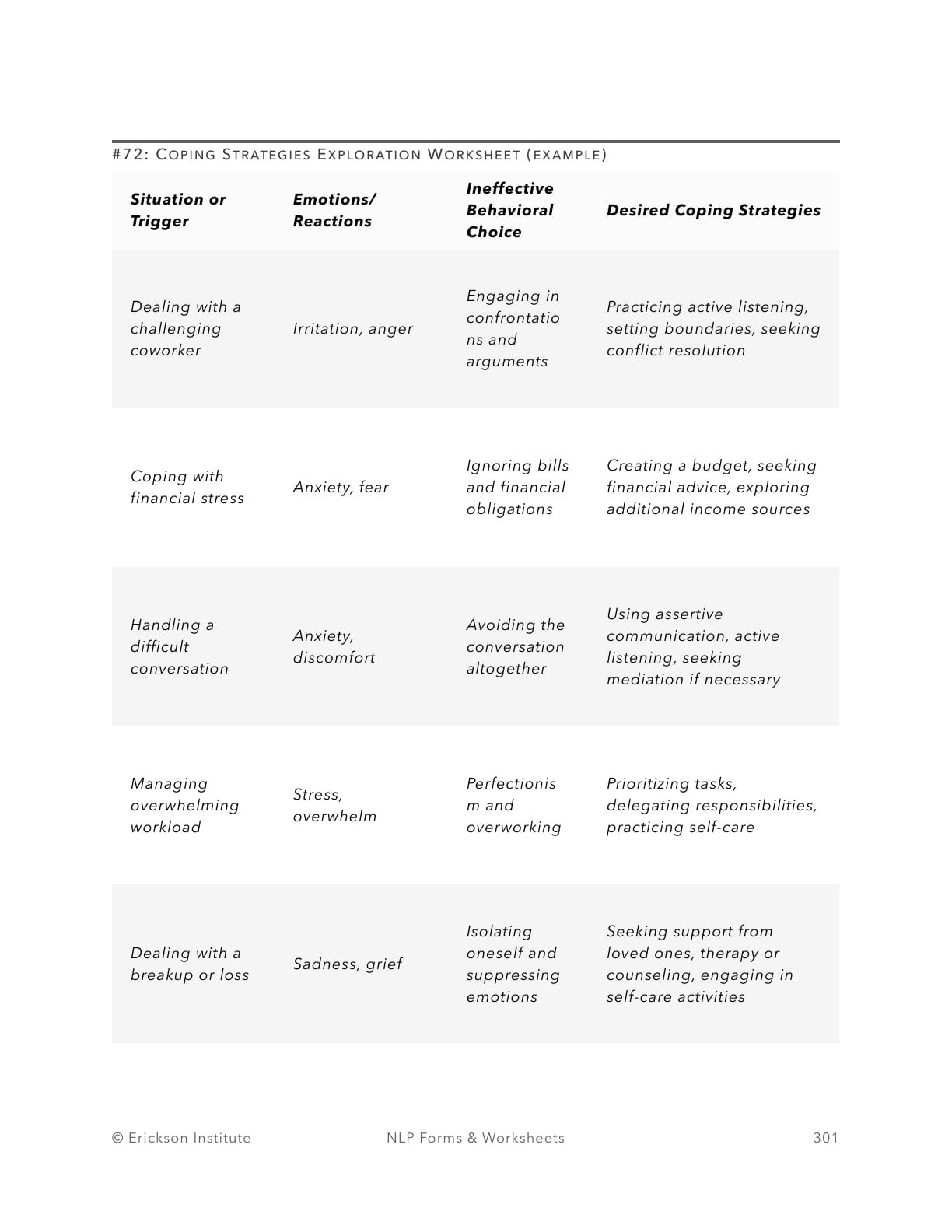
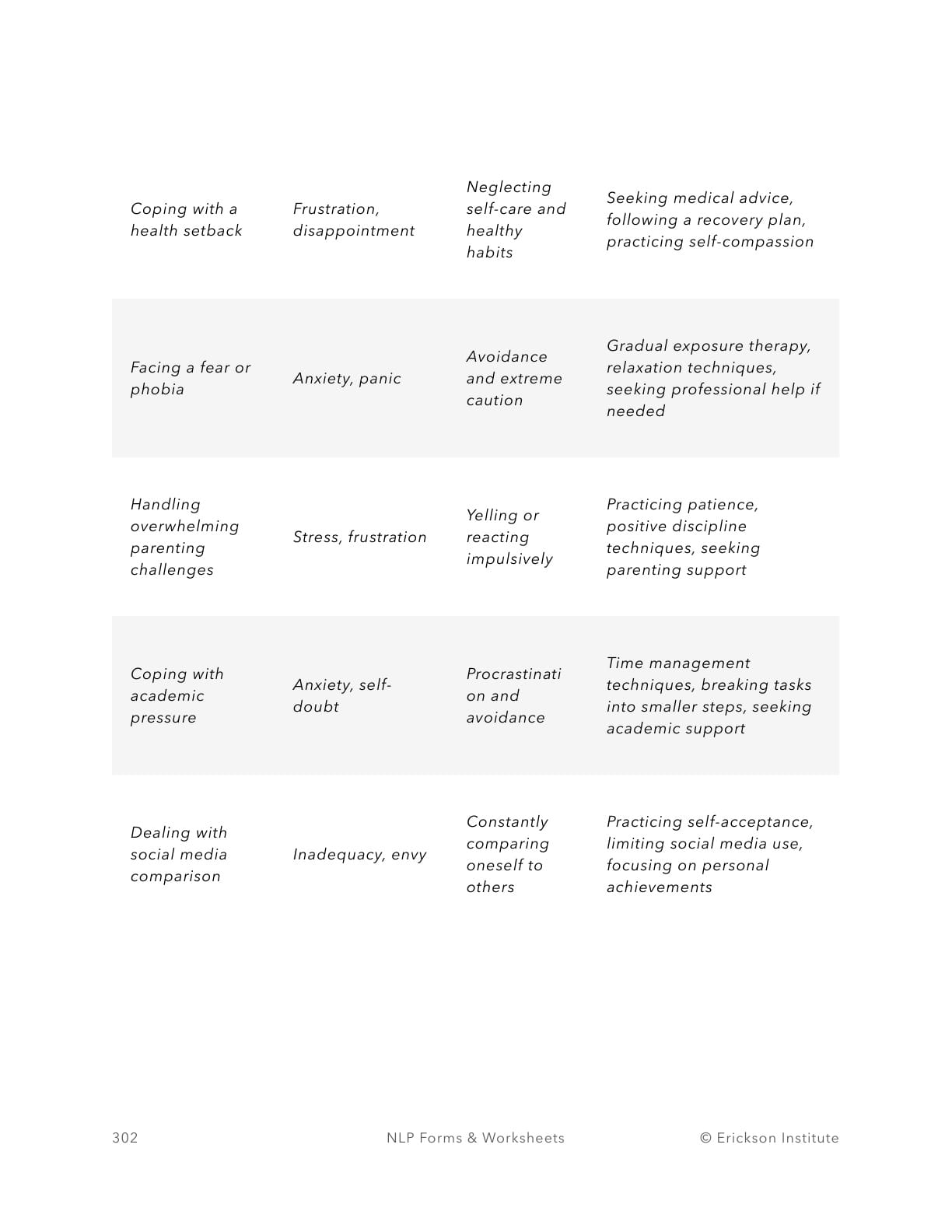
Coping strategies are the deliberate efforts and actions that people use to manage, adapt to, and deal with various stressors, challenges, or difficult situations in their lives.
These strategies aim to alleviate distress, improve well-being, and maintain a sense of control and resilience in the face of adversity. Coping strategies can be either proactive or reactive.
Proactive coping strategies entail taking proactive steps to prevent or reduce stressors before they occur. This may include engaging in self-care activities such as exercise, mindfulness, and seeking social support.
Reactive coping strategies, on the other hand, are used following a stressful event or challenge. These strategies are intended to alleviate distress and restore equilibrium.
Problem-solving, seeking emotional support, using relaxation techniques, or engaging in hobbies or activities that provide comfort or distraction are examples of reactive coping strategies.
Coping strategies differ from person to person because people use different techniques depending on their personalities, experiences, and preferences. Some coping strategies may be adaptive and beneficial in the long run, while others may be maladaptive and harmful.
Worksheet #
Source #
Access the full suite of 500 therapy and coaching templates. This worksheet features in my book, available on Amazon:
500 Practical NLP Forms, Templates & Worksheets: For Therapy, Coaching & Training